


Understanding the Aftermath: How to Document a Car Accident for Safety and Stronger Claims
 |
The moments after a crash rarely feel orderly. Adrenaline hits hard, traffic presses in, and every sound seems sharper than usual. In that confusion, important details slip by, even though those first few minutes often shape the insurance process. Solid documentation steadies the situation and preserves the scene before memories fade.
Many drivers seek support after a vehicle collision once the initial shock has faded. The first clues that explain what happened often come from the driver’s own photos and notes, gathered before the vehicles move or witnesses drift away. Those early records usually matter more than anything said later.
Prioritize Safety Before You Document Anything
A crash can leave you unsteady even if the vehicles don’t look badly damaged. Before recording anything, make sure the scene isn’t putting you or others at risk. Move your car to the shoulder if it still runs and turn on the hazard lights so traffic has time to react. Check yourself and your passengers for pain or dizziness.
Once things feel stable, call the police. A report helps settle conflicting stories and gives insurers something firm to review. If visibility is poor or traffic is moving fast, stay well away from active lanes while you wait.
What to Photograph at the Scene
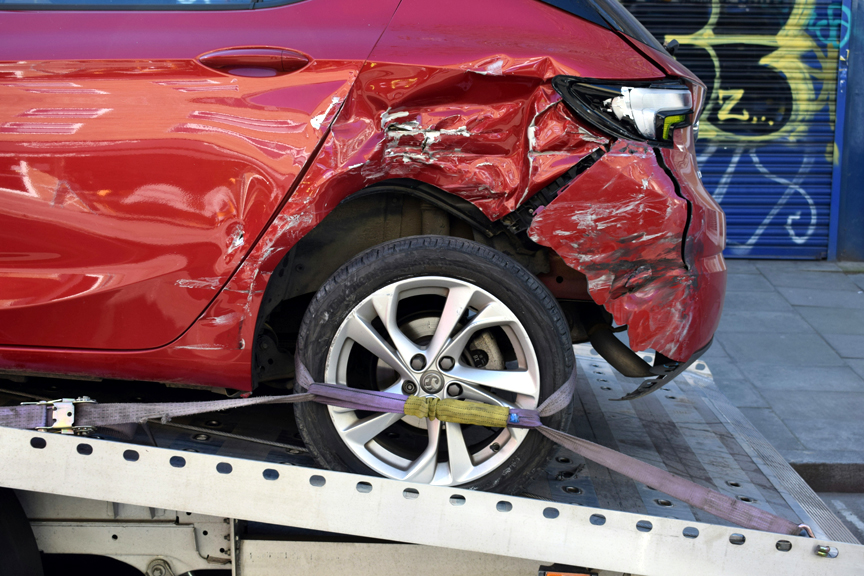
Photos preserve details that people tend to forget. Start with wide shots of the entire scene, the position of each vehicle, and nearby traffic controls. Then move closer to capture impact points, broken glass, skid marks, and pavement conditions.
If the weather played a role, photograph that as well. Standing water, sun glare, or fog can influence how a crash is viewed later. Programs like the Crash Investigation Sampling System show how investigators study these clues, which highlights the value of careful photos. Finish with a few time-stamped images from different angles.
Information You Must Exchange With the Other Driver
After taking photos, gather the information insurers expect: the driver’s name, phone number, insurance carrier, and policy number. Photograph their license and plate and note the vehicle’s make and model.
If the driver is upset or uncooperative, stay calm. If someone refuses to share information or tries to leave, record the license plate number and wait for the police rather than escalating the situation.
Documenting Your Injuries and Medical Care
Some injuries show up slowly. Pain, stiffness, or headaches can appear hours later. Photograph visible injuries as soon as possible and again over the next few days. Save medical records and write down symptoms as they appear. These details help build a clear timeline.
Organizing Your Documentation for a Stronger Claim
Once the immediate stress has passed, gather everything into a single digital folder. Include photos, videos, medical paperwork, repair estimates, and your written account of the crash. Clear labeling keeps the record easy to reference.
Strong documentation shapes how adjusters view fault, injury severity, and financial impact, which influences the compensation you deserve after a car accident. When your notes align with the evidence and medical history, your claim stands on firmer ground, whether it remains routine or requires professional help.